While blockchain technology initially gained prominence as the underlying technology behind cryptocurrencies like Bitcoin, its potential extends far beyond digital currencies. In this blog, we’ll delve into the diverse and transformative applications of blockchain technology across various industries, from supply chain management to digital identity verification and beyond.
Understanding Blockchain Technology
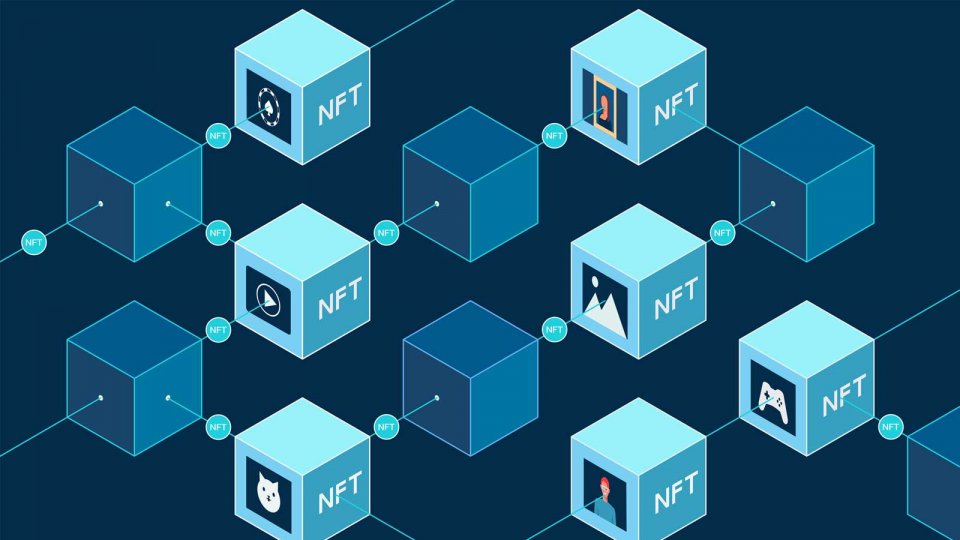
At its core, blockchain is a decentralized and immutable ledger that records transactions across a network of computers. Each transaction, or block, is linked to the previous one, forming a chain of blocks. This distributed ledger is maintained by a network of nodes, eliminating the need for intermediaries and providing transparency, security, and tamper resistance.
Supply Chain Management and Traceability
Blockchain technology has the potential to revolutionize supply chain management by providing a transparent and immutable record of the movement of goods from the point of origin to the end consumer. By recording every step of the supply chain on the blockchain, stakeholders can trace the journey of products, verify authenticity, and ensure compliance with regulations, thereby enhancing transparency, efficiency, and trust.
Digital Identity Verification and Authentication
Blockchain-based identity management solutions offer a secure and decentralized way to manage digital identities, reducing the risk of identity theft and fraud. By storing identity credentials on a blockchain, individuals can maintain control over their personal data and selectively disclose information as needed, while organizations can streamline identity verification processes and enhance security and privacy.
Decentralized Finance (DeFi) and Smart Contracts
Decentralized finance, or DeFi, leverages blockchain technology to create financial products and services without traditional intermediaries, such as banks or brokers. Smart contracts, self-executing contracts with the terms of the agreement written into code, enable programmable and automated transactions on the blockchain, facilitating activities like lending, borrowing, trading, and asset management in a trustless and transparent manner.
Intellectual Property Protection and Royalty Management
Blockchain technology can be used to create immutable records of intellectual property rights, such as patents, copyrights, and trademarks, providing creators with verifiable proof of ownership and protecting against unauthorized use or infringement. Additionally, blockchain-based royalty management systems can automate the distribution of royalties to rights holders based on predefined terms and conditions, ensuring fair compensation and transparency in creative industries.
Environmental Sustainability and Carbon Footprint Tracking
Blockchain technology has the potential to support environmental sustainability efforts by enabling transparent and auditable tracking of carbon emissions and offsets. By recording carbon credits and emissions reductions on a blockchain, stakeholders can verify the authenticity and impact of sustainability initiatives, facilitating the transition to a low-carbon economy and incentivizing sustainable practices.
Conclusion
Blockchain technology is a powerful tool with the potential to transform industries and redefine the way we interact with data, transactions, and assets. Beyond cryptocurrency, blockchain offers a decentralized, transparent, and secure foundation for a wide range of applications, from supply chain management and digital identity verification to decentralized finance and environmental sustainability. As organizations and innovators continue to explore the possibilities of blockchain technology, the future holds promise for a more transparent, efficient, and inclusive global economy built on trust and collaboration.