Augmented Reality (AR) has transcended its status as a novelty and emerged as a transformative force in various facets of our daily lives. From immersive gaming experiences to practical applications in industries like education and healthcare, AR technology is reshaping the way we perceive and interact with the world around us. Let’s delve into the phenomenon of AR and explore its burgeoning influence on our everyday experiences.
The Evolution of Augmented Reality
AR technology overlays digital information and virtual elements onto the physical world, blurring the line between reality and the digital realm. While the concept of AR isn’t new, recent advancements in hardware and software have propelled it into the mainstream, making it more accessible and compelling than ever before.
Gaming and Entertainment
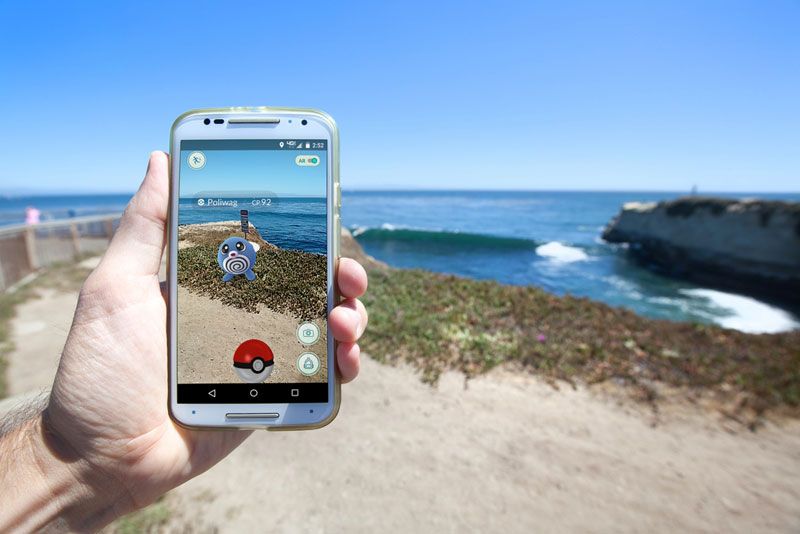
One of the most visible manifestations of AR is in the realm of gaming and entertainment. Mobile AR games like Pokémon GO introduced millions of players to the concept of blending virtual creatures with real-world environments, creating a sensation that captivated audiences worldwide. Today, AR continues to revolutionize gaming by offering immersive experiences that transcend traditional boundaries.
Education and Training
AR is also making significant inroads in education and training. By overlaying educational content onto real-world objects or environments, AR technology enhances learning experiences and facilitates interactive engagement. From anatomy lessons that allow students to explore 3D models of the human body to historical tours that bring ancient civilizations to life, AR has the potential to revolutionize education by making learning more engaging and accessible.
Healthcare and Medicine
In healthcare, AR is proving to be a game-changer, enabling medical professionals to visualize complex medical data and perform procedures with greater precision. Surgeons can use AR overlays to navigate intricate anatomical structures during surgeries, while medical students can gain hands-on experience through simulated procedures in augmented environments. AR also holds promise in patient care, with applications ranging from augmented rehabilitation therapies to remote medical consultations.
Retail and Commerce
Retailers are leveraging AR technology to enhance the shopping experience and drive sales. By enabling customers to visualize products in their real-world environments through AR-powered virtual try-on experiences or product simulations, retailers can provide personalized and immersive shopping experiences that boost customer engagement and satisfaction. AR is also revolutionizing marketing and advertising by offering interactive and immersive campaigns that capture consumers’ attention in new and exciting ways.
Conclusion
The rise of augmented reality marks a paradigm shift in how we interact with technology and perceive the world around us. As AR continues to evolve and permeate various aspects of our everyday lives, its transformative potential is boundless. Whether it’s revolutionizing gaming experiences, enhancing educational opportunities, improving healthcare outcomes, or redefining the retail landscape, AR is poised to shape the future in ways we’re only beginning to imagine. Embracing this technology opens up a world of possibilities, where the boundaries between the physical and digital realms blur, and new horizons await exploration. So, embrace the AR revolution and embark on a journey into a world where the ordinary becomes extraordinary through the lens of augmented reality.